#immersive design #extended reality #interaction design #game design
Immersive Education Through Gaming
Integrating game-based learning into virtual education to make foundational learning immersive and playful for children aged 4–11.
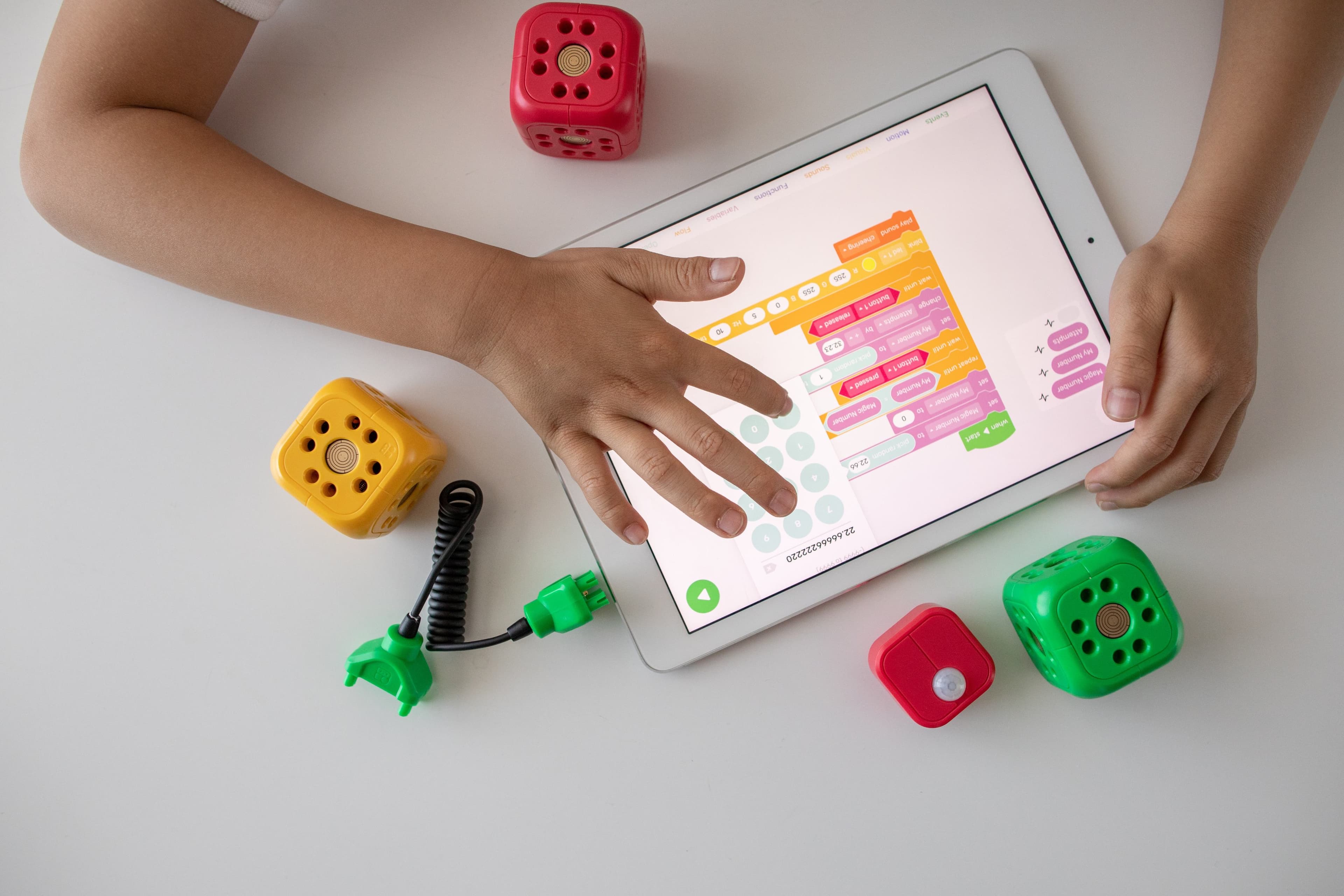
This project explores integrating game-based learning into virtual education to create interactive and engaging experiences for children aged 4–11, making foundational learning immersive and playful. It focuses on fostering curiosity and enhancing problem-solving skills through innovative tools and technologies.
Learning that fails to captivate
Traditional education methods often fail to captivate young learners. Learning systems aren't designed to align with children's natural curiosity and need for play, and virtual learning environments further lack interactivity and personalization — making education feel monotonous and disengaging.
Lack of engagement
Current virtual platforms are monotonous, failing to capture children's attention and interest.
Social isolation
Virtual learning limits collaboration, impacting teamwork and social-skill development.
Attention span
Children aged 5–11 struggle with prolonged focus, requiring highly interactive and stimulating content.
Lack of emotional connection
Virtual learning fails to create an emotional bond between students and educators, reducing motivation.
The goal was to transform learning into an experience that sparks curiosity and excitement, rather than just memorizing facts. To bring this vision to life, I used AR and VR as tools to create immersive, dynamic learning environments where kids could actively participate — making learning enjoyable while still being educational.
Understanding all stakeholders
The research aimed to delve into innovative methods for transforming virtual education into an engaging, interactive experience for children aged 5–11. It included a comprehensive analysis of existing education systems and identified the difficulties faced by parents, teachers, and children across both traditional and virtual contexts.
Contextual study
Reviewed existing educational models and identified gaps.
Primary research
Conducted interviews and observations with children, parents, and teachers to capture real-world difficulties.
Secondary research
Examined literature on interaction design, gaming patterns, and child psychology to support findings.


Learnings from gaming
Interaction and perception shape how users connect with and navigate educational tools, influencing focus, motivation, and enjoyment. Studying interactive games taught me key principles that resonate with how kids learn:
Balancing challenge and skill
Games keep kids in a state of flow by adjusting difficulty — guiding my approach to maintain focus and interest.
Instant feedback
Kids respond well to immediate rewards, inspiring my use of real-time progress indicators.
Collaborative features
Multiplayer modes and group tasks shaped activities that promote teamwork and social learning.
Playful exploration
Kids thrive when learning feels like play — shaping the gamified elements in my solution.
Bringing the concepts to life
Figma was used to design wireframes and refine the user flow. Blender and Bezi3D created and prototyped 3D models and animations for AR content. Unity with C# powered the AR functionalities — object interactions, animations, and projections — while Python handled computer vision for real-time motion tracking and gesture recognition.
Balloon Shooter
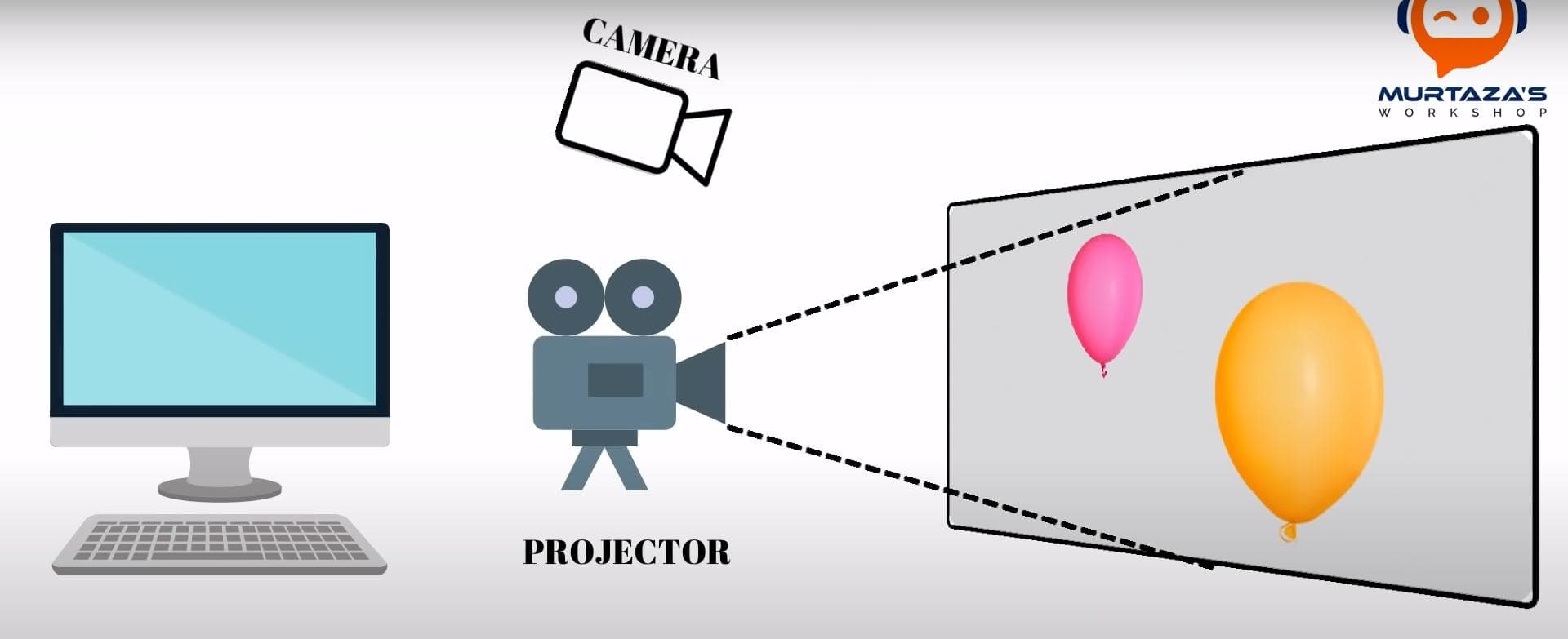
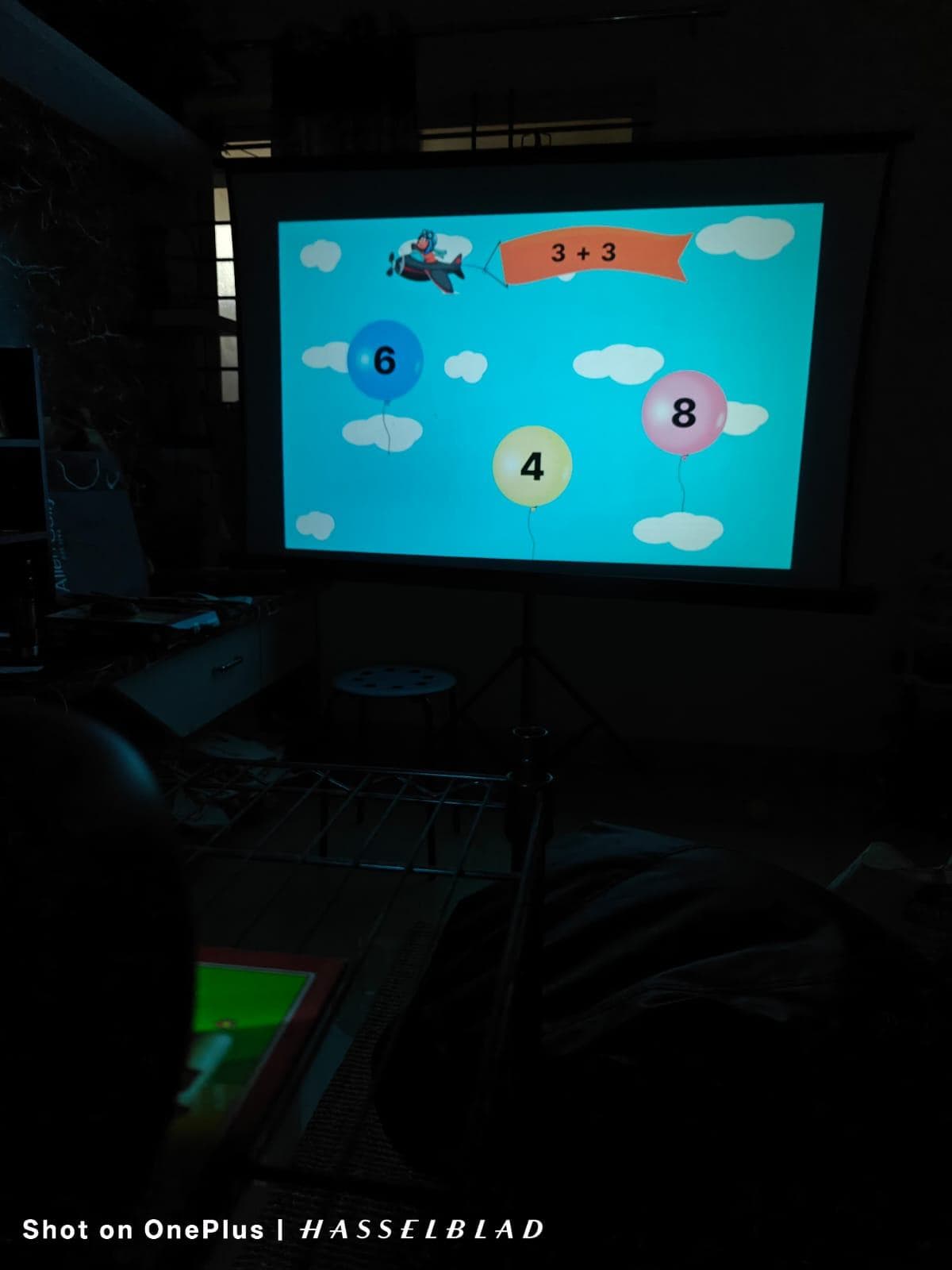
The Balloon Shooter game transforms learning math into an exciting physical activity. A math problem is projected onto a screen, accompanied by balloons floating around with potential answers. The user throws a real ball at the projected screen, aiming for the balloon with the correct answer to score points.
The system uses edge detection to recognize the borders of each projected balloon while tracking the movement of the real ball using image tracing. When the ball contacts the edge of the correct balloon, it pops and the player earns points — combining physical engagement with problem-solving.
Word Builder
The Word Builder game offers a hands-on way for kids to learn alphabets and build words. Each letter is a physical card, and when kids arrange the cards to form a word, a 3D model of that word appears — spelling “DOG” triggers an interactive 3D dog.
Built in Unity with a C# script connecting each alphabet card to its corresponding 3D model, the system detects when a valid word is formed from a predefined library and brings it to life — combining tactile learning with visual engagement.
Castle Builder
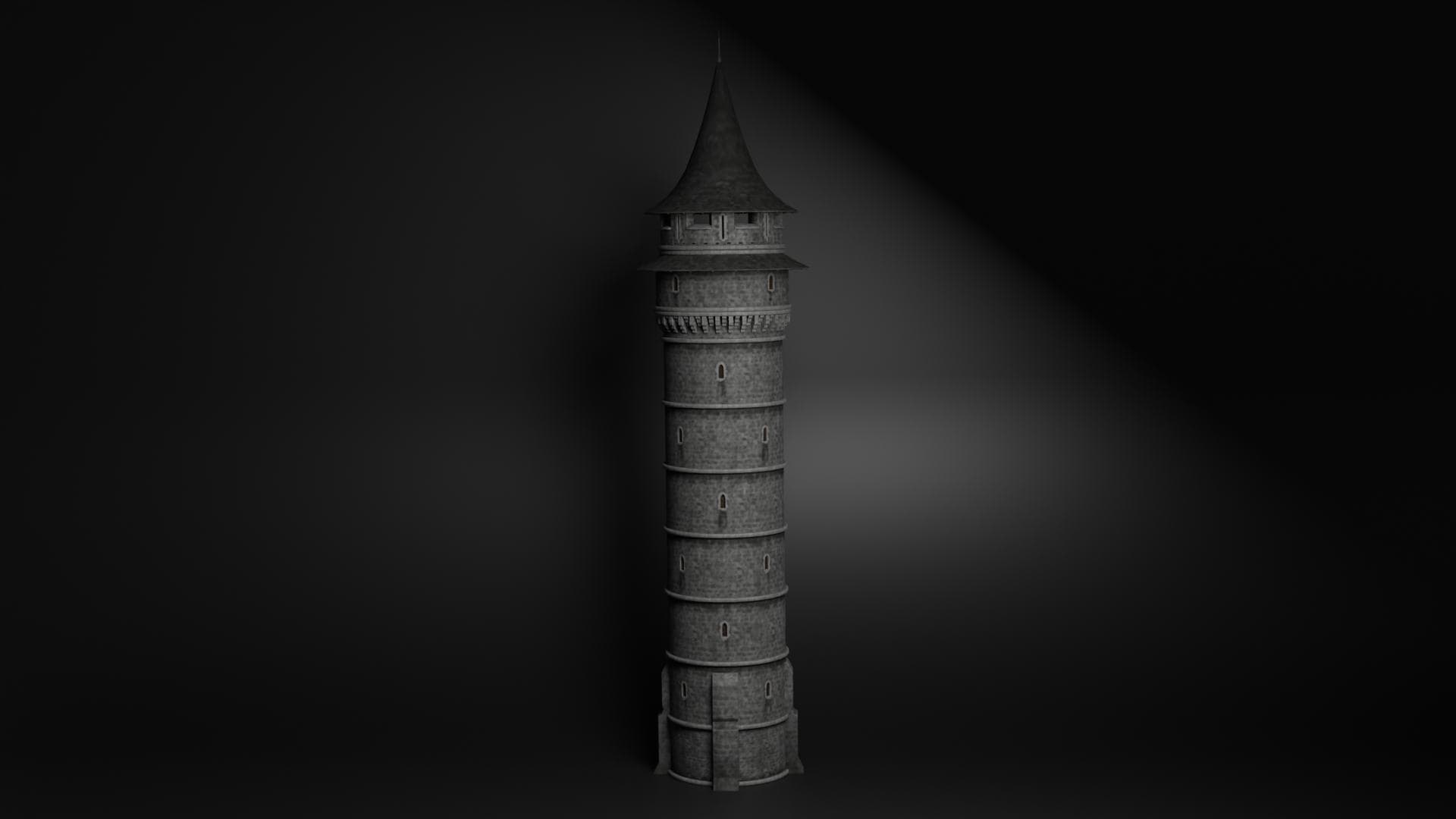
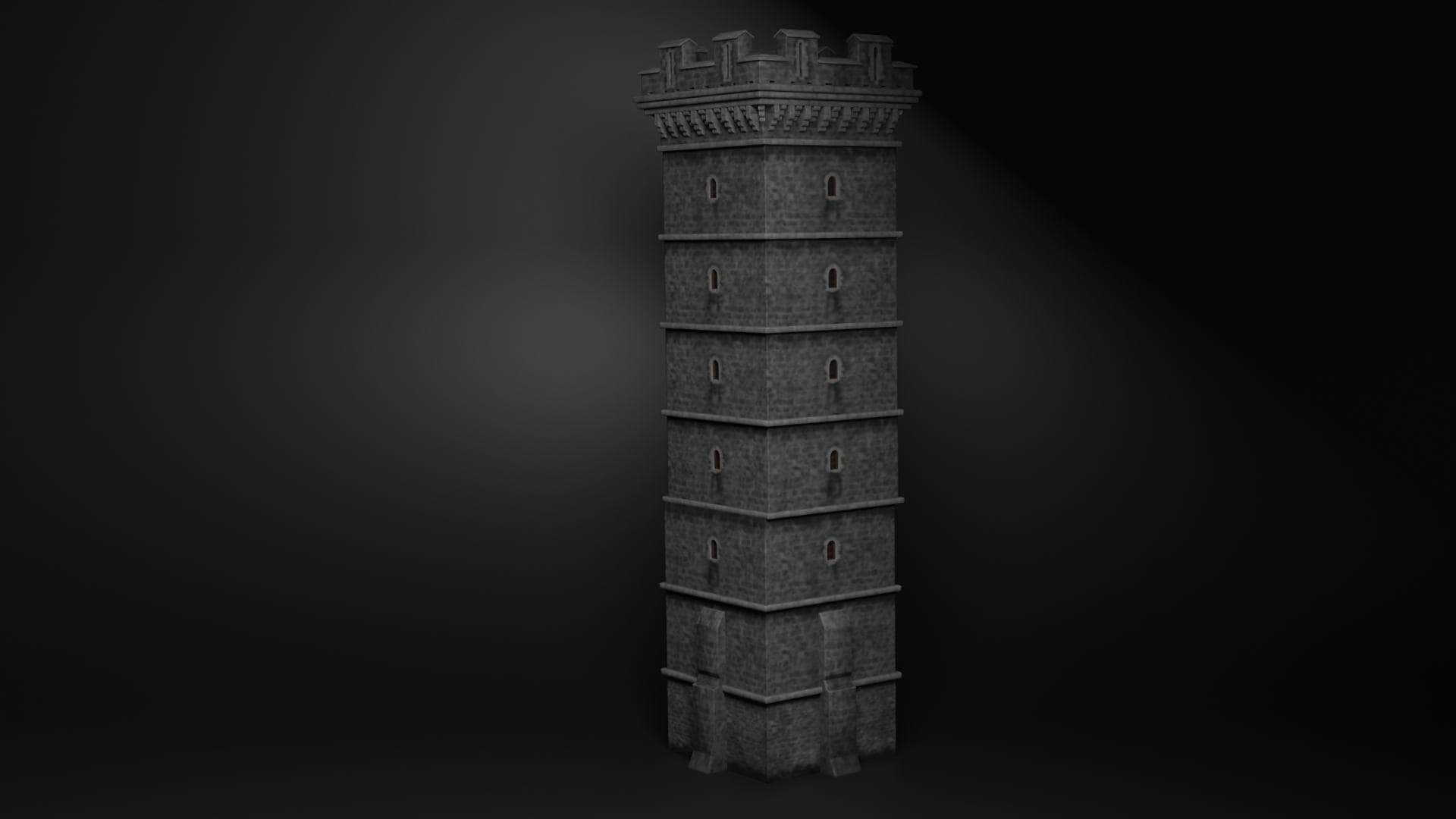
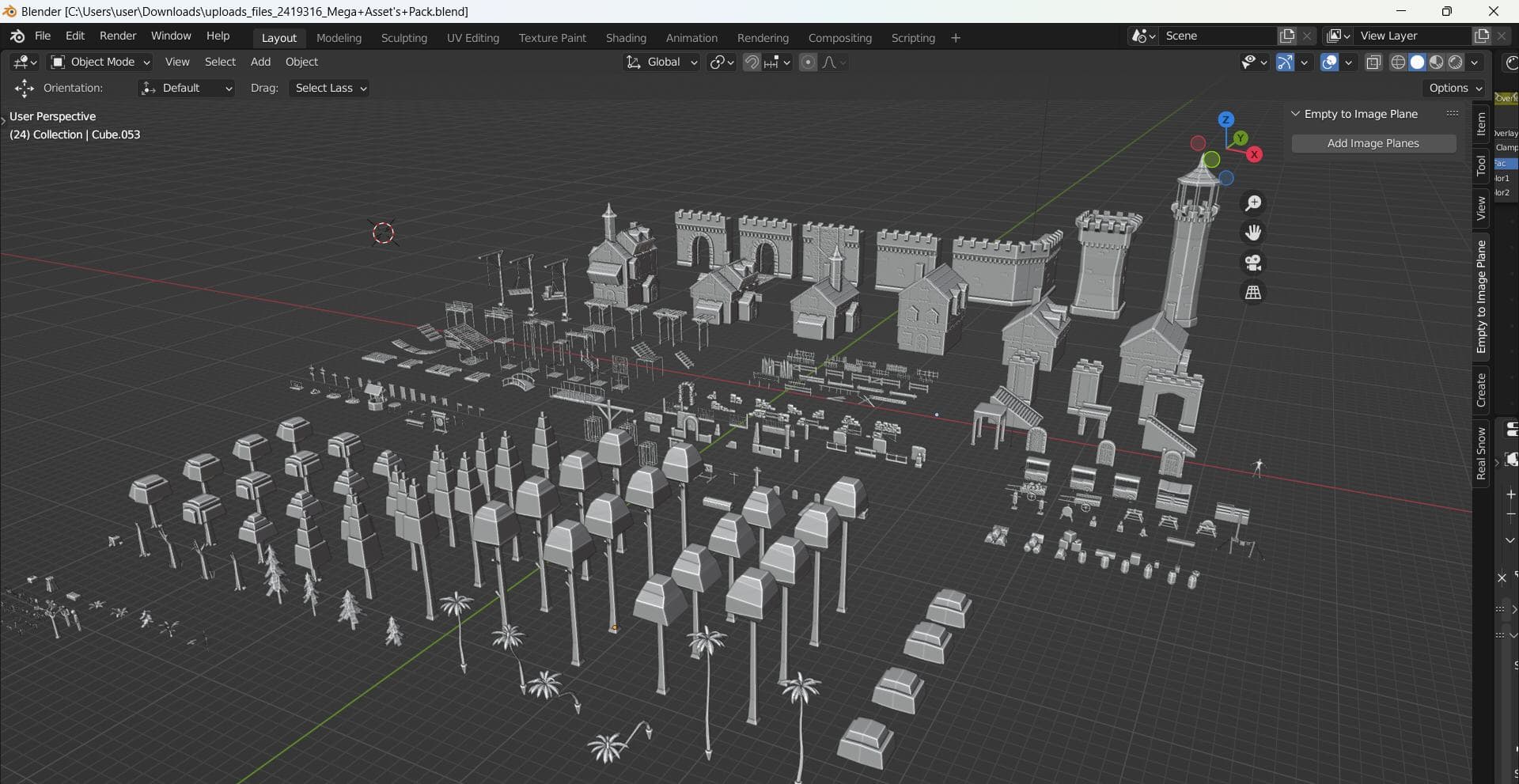
Castle Builder is an open-ended game where kids build castles, towers, and other structures using 3D blocks. It encourages creativity, spatial reasoning, and problem-solving while developing fine motor skills and hand-eye coordination — freeform play that lets children explore their imagination and learn through experimentation.
Reflections & future scope
Currently the project focuses on gamified learning — adding fun and interactive elements to traditional education. In the future, I want to move towards fully game-based learning experiences, where the game itself becomes the primary way of teaching and understanding concepts.
This was a year-long project under the guidance of my professor. I realized that games aren't just about fun — they're powerful tools that can simplify complex ideas, keep people engaged, and make learning feel natural. It also taught me the importance of user feedback: building for kids means constantly testing, refining, and making sure it actually works for them.