#interaction design #research through design #physical computing #ai
Milo — Breaking the Silence
Designing ambient companionship and doorway interactions for international students.
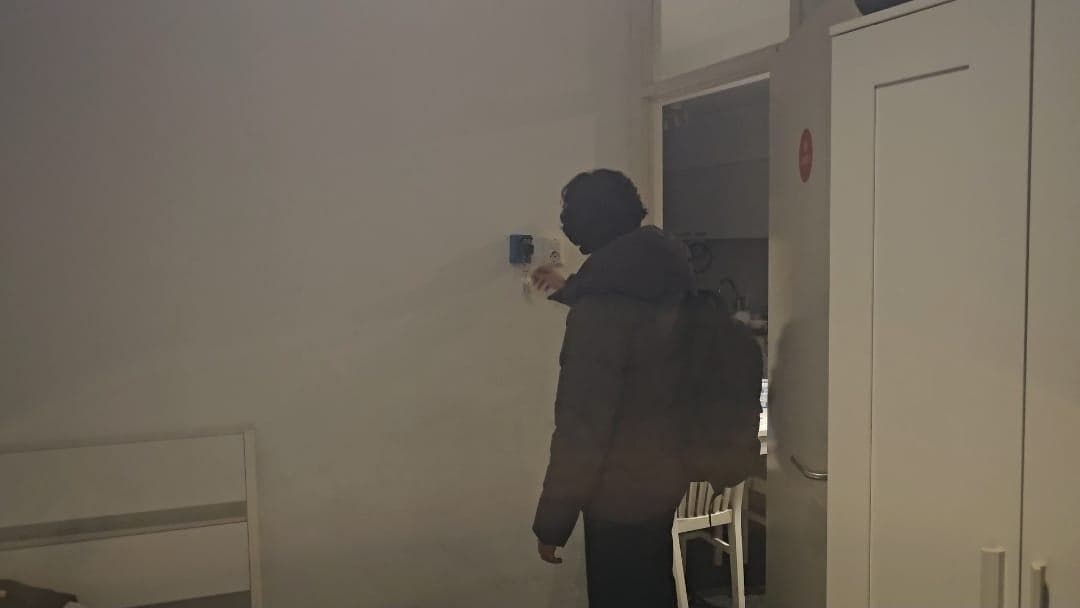
For international students, returning to an empty room often triggers feelings of isolation rather than relief. This project introduces Milo, an ambient key-holder companion designed to intervene at this critical doorway transition. By using AI and syncing with Google Calendar, Milo transforms the frictionless habit of hanging keys into a warm, context-aware greeting — mimicking a caring roommate to make the space feel like home.
Uncovering the real vulnerability
I began by investigating the social dynamics of shared student housing, using generative methods like photo diaries and a custom card game to uncover hidden roommate tensions without causing conflict. While these tools revealed that shared chores were actually silent signals of care or neglect, an “Emotional Mapping Study” pushed me to pivot entirely.
The data showed that students spent 5 to 7 hours a day in their private bedrooms. More importantly, the most intense moments of vulnerability, loneliness, and exhaustion didn't happen in the shared kitchen — they happened behind closed doors. The core problem wasn't fairness in shared spaces, but the isolation felt within the private sanctuary.
The weight of silence
The doorway transition
The most critical moment of a student's day is the second they step from the over-stimulated outside world into an empty room. The sudden drop in noise emphasizes their solitude.
The dependency trap
Concepts that relied on long-distance connections proved flawed. If family members were asleep due to time zones, the lack of a response made the student feel even more lonely. The solution had to be independent.
The energy deficit
Upon arriving home, students are often too exhausted to even send an “I'm home” text, and frequently default to their beds to “doom-scroll.”
Friction-free companionship
The companion had to break the room's silence instantly — without acting like a disciplinary tool or demanding any cognitive load, screen time, or new habits.
“Wizard of Oz” prototyping
To test how to break the silence without being intrusive, I developed a series of rapid low-fi prototypes, using “Wizard of Oz” techniques — faking the technology manually — to test the emotional experience rather than the engineering.
The Digital Campfire
A phone dock that triggered a warm “campfire” glow for Rest Mode. Users liked the warmth but it felt restrictive — discipline rather than companionship.
The Room Toggle
A cardboard lever that switched the room from Study to Relax Mode. It organized the space but felt too functional — like operating a machine.
The Shadow Link
Paired lamps to connect students with family. Rejected due to dependency — if family was asleep, the lamp stayed dark and made students feel more lonely.
The Wellbeing Pets
A series of “pet” iterations. The Dog Key Holder — which reacted instantly with audio on entry — won by piggybacking on the friction-free habit of hanging keys.
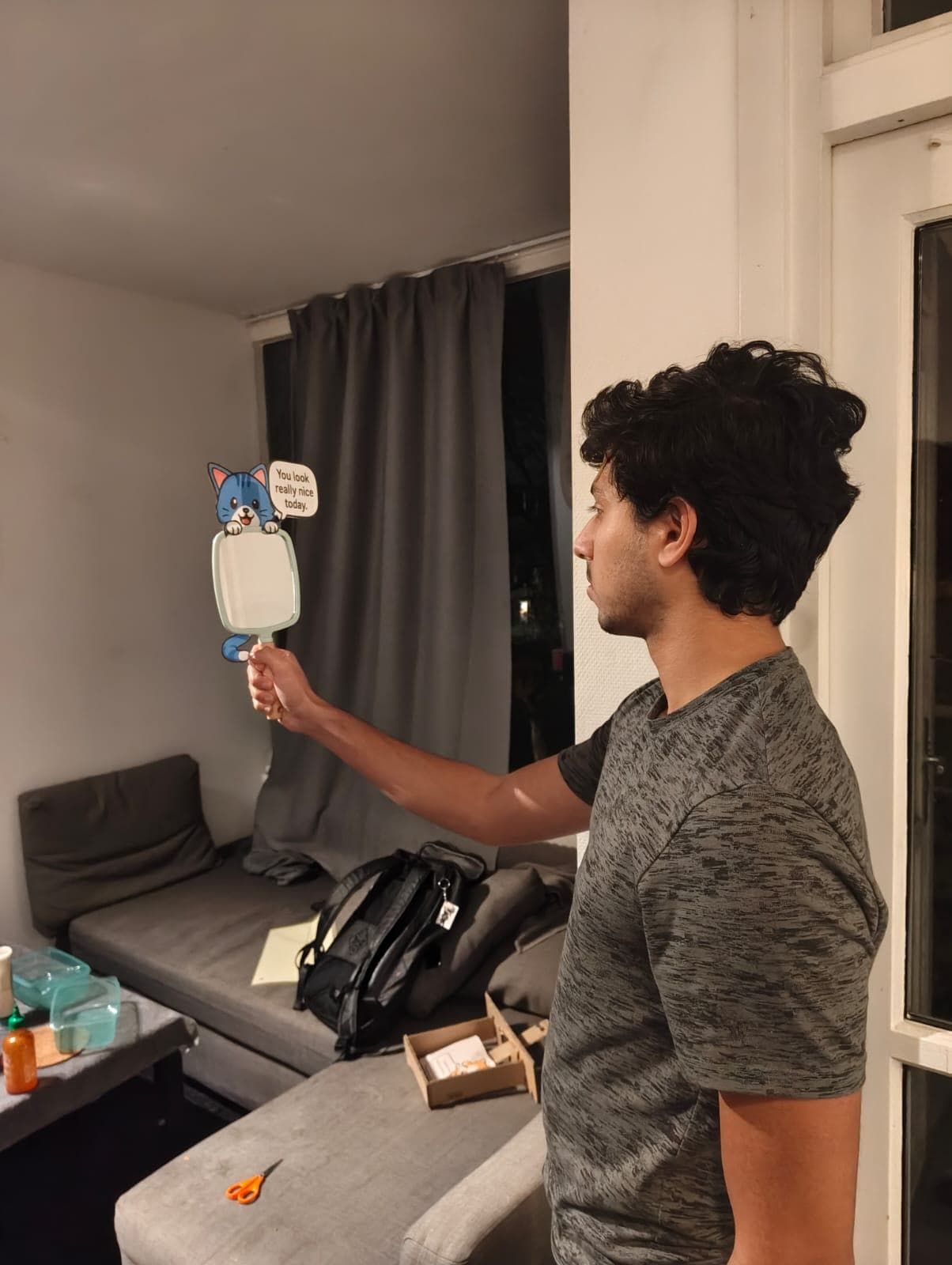
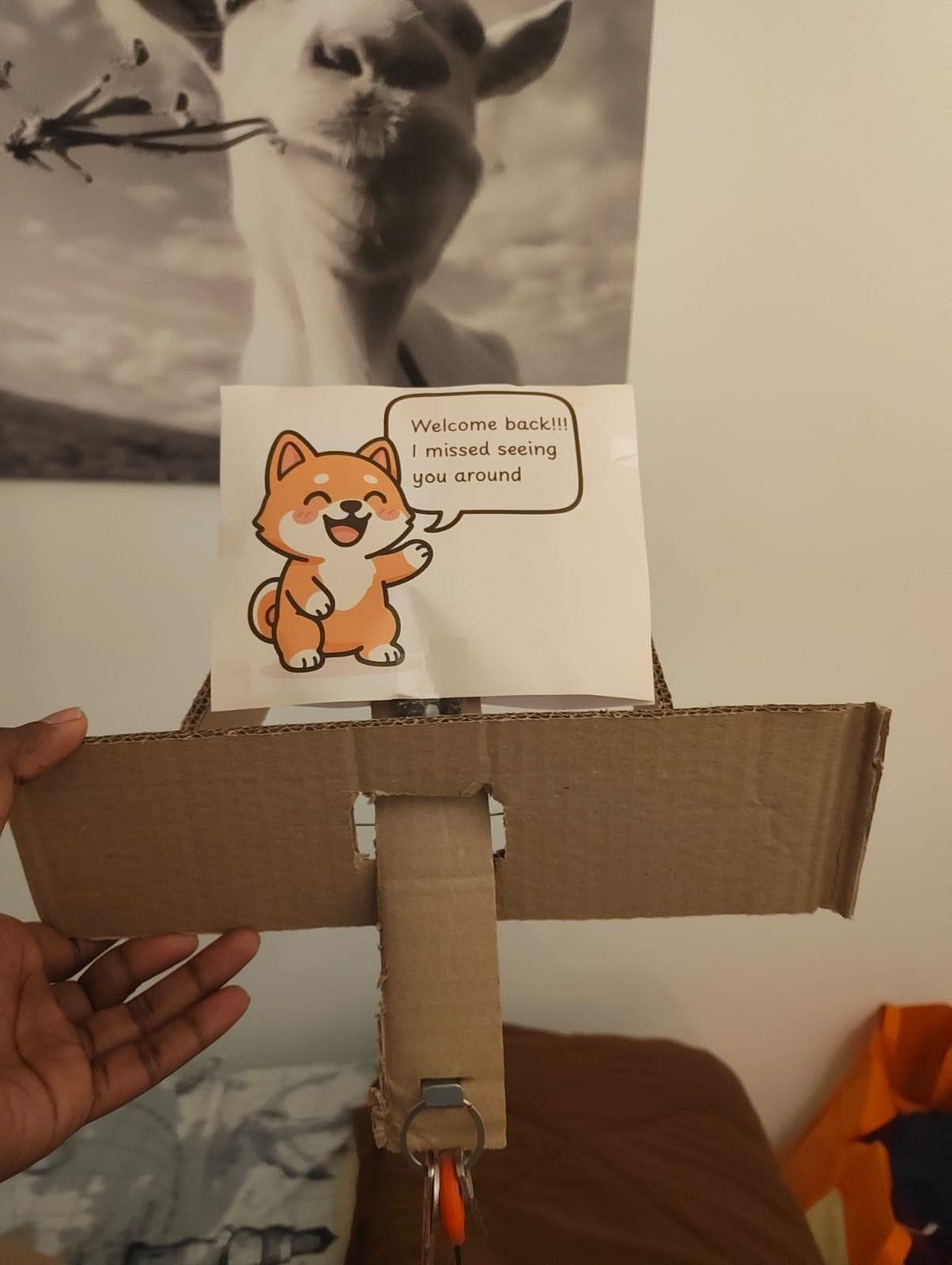
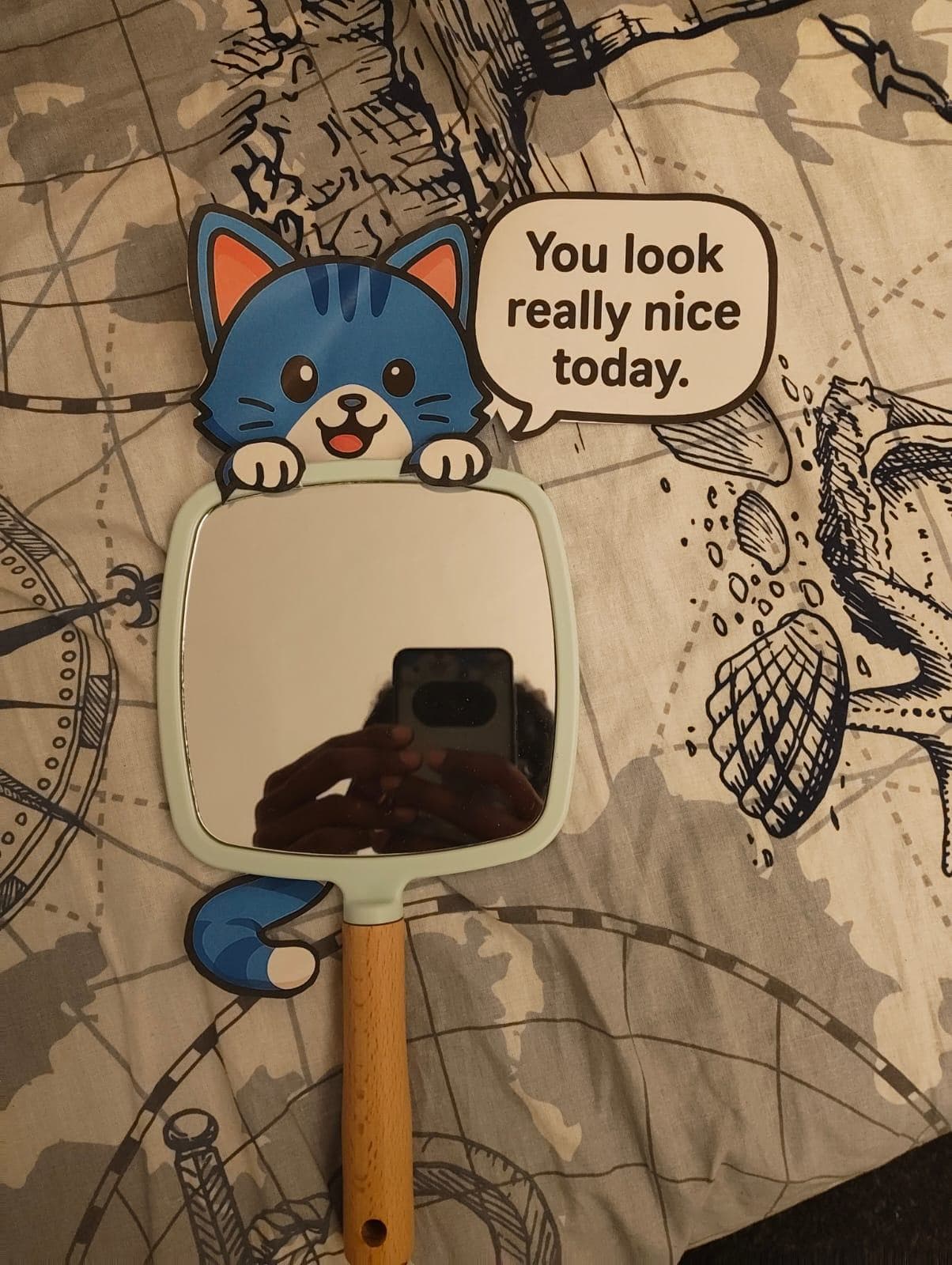
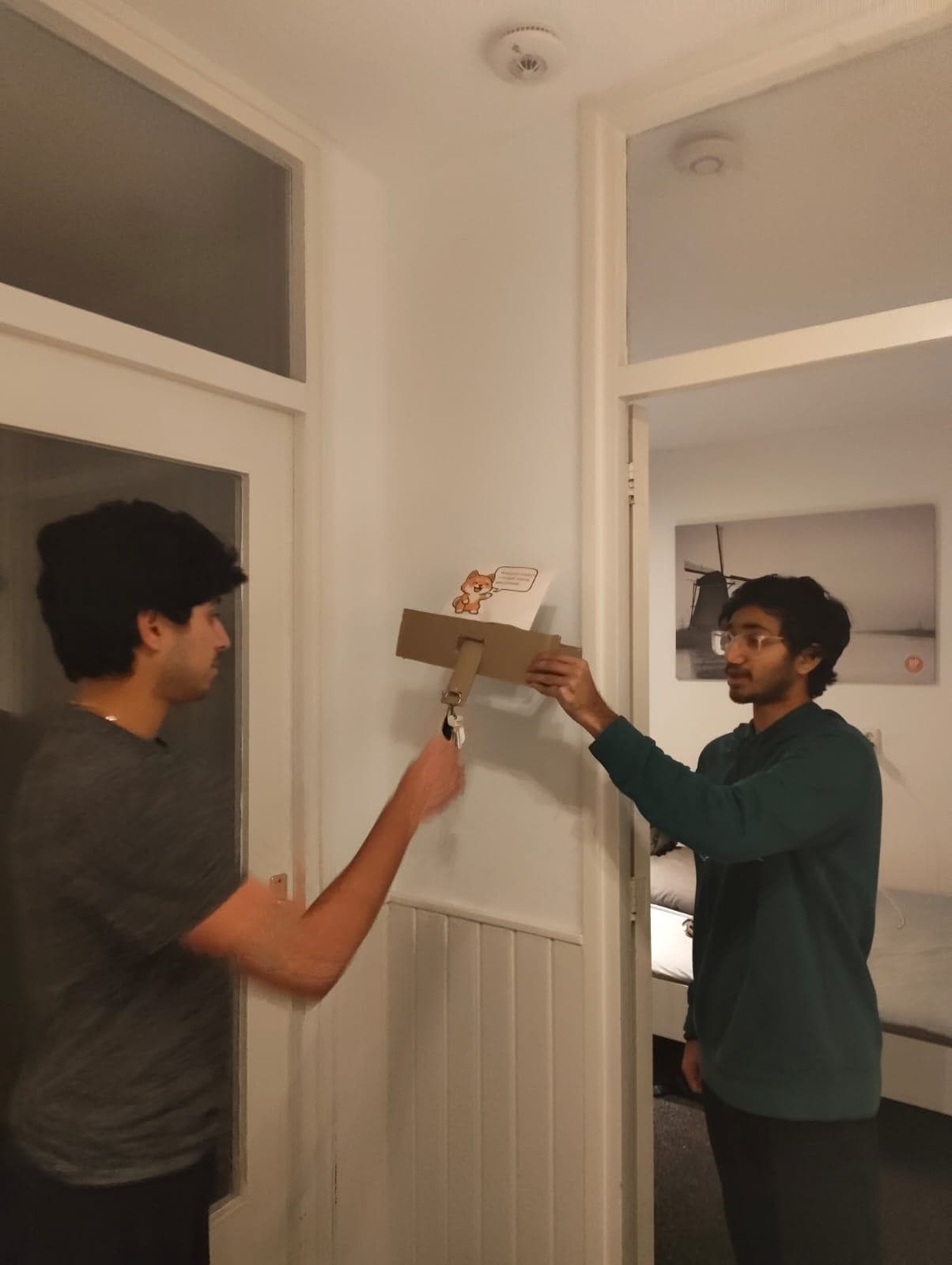
Comparing these concepts revealed a clear need: students didn't just need a functional tool or a dependent connection to others — they needed a presence in the room itself. Concept 4's success with immediate feedback and a friction-free ritual laid the exact foundation for Milo.
Meet Milo
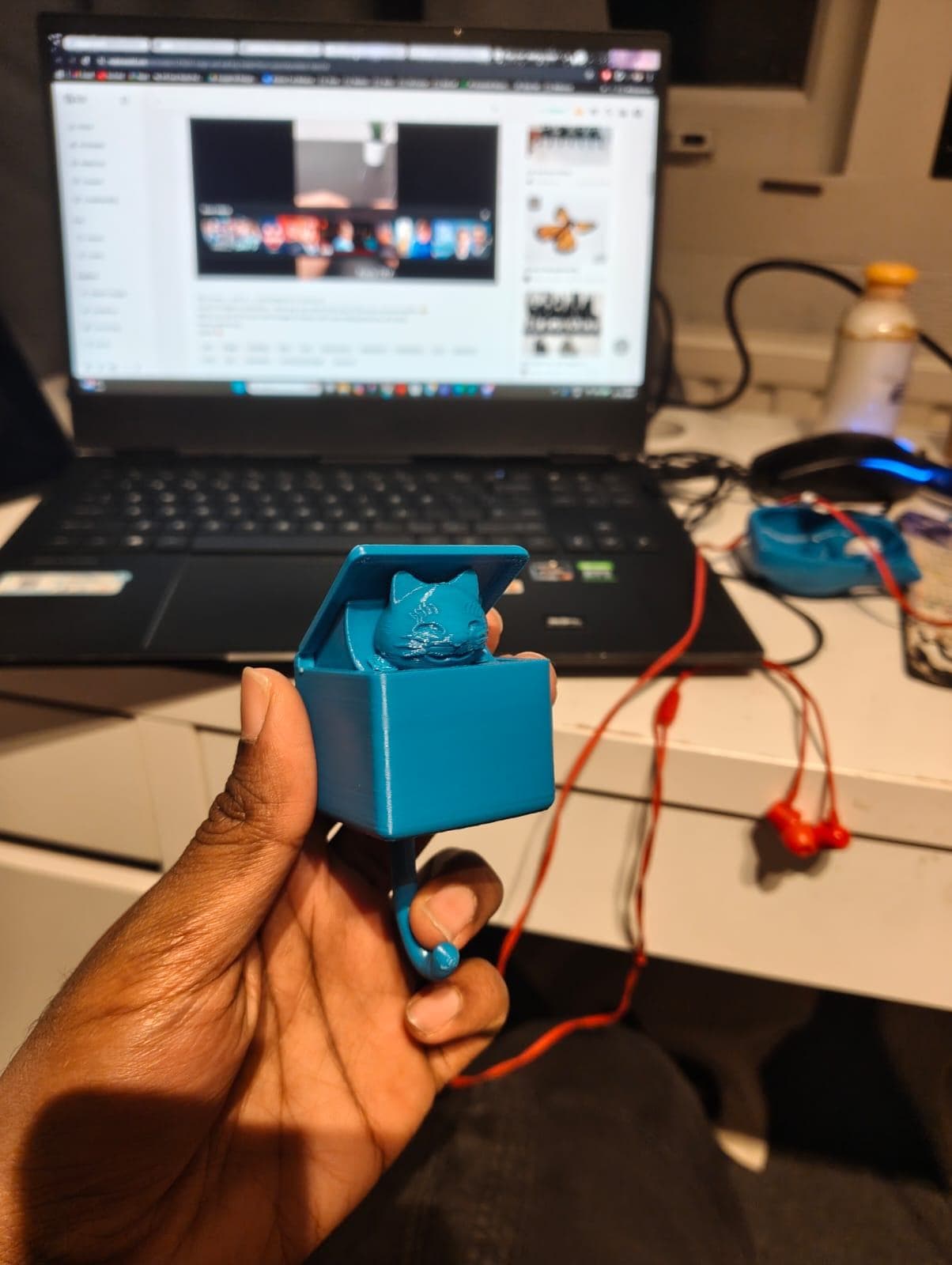
Milo is an ambient companion designed to intervene at the specific “doorway transition” — the exact second a student steps from the public hallway into their private room. The interaction is entirely invisible: no buttons to press, no screens to check, and no wake words to say. The moment the metal keys touch the hook, they complete a circuit, and Milo greets the user with a context-aware sentence.
Layer 1 — Breaking the silence
Milo fills the heavy drop in noise instantly with a warm greeting the moment the keys click, transforming dead silence into the active presence of a “waiting place.”
Layer 2 — The “peace of mind” text
Milo silently triggers a pre-set message to a selected “Inner Circle” the moment the keys are hung, removing the mental burden of texting home.
Layer 3 — Contextual care
Milo syncs with Google Calendar to acknowledge the day. After a late exam it might say, “You've had a long day, I bet you're glad that's over” — shifting from a dumb gadget to a caring presence.
How it works
The friction-free trigger: instead of mechanical buttons or pressure sensors, I used simple copper tape on the hook. Because keyrings are metal, hanging them naturally completes an electrical circuit — making the interaction weight-independent and friction-free.
The brain & system loop: completing the circuit triggers a Raspberry Pi 4 hidden inside the device. The Pi communicates with a local Django server and requests data from the OpenAI API. By syncing with Google Calendar, the LLM generates a unique, context-aware greeting, then plays the audio through a Bluetooth speaker while silently messaging the user's Inner Circle.
The body & metaphor: to avoid the “black box” aesthetic of typical smart gadgets, I designed a custom 3D-printed PLA housing using a “Cat in a Box” metaphor — compact enough to fit the bulky Raspberry Pi, with discreet ventilation grilles for passive cooling.

Living with Milo (48-hour in-situ test)
I deployed Milo in four student rooms to test real-world impact.
The phone buffer
Milo acted as an unexpected soft barrier to digital addiction — an immediate greeting gave users a moment of pause, preventing them from collapsing onto their beds to doom-scroll.
Instant bonding & privacy
Because Milo has no microphone, participants felt their privacy was completely respected. The personalized greeting lifted moods, and users bonded so fast that writing a farewell letter felt genuinely meaningful.
The “garbage run” bug
Milo treated every return as the end of a long day — delivering an overly dramatic welcome even after a 10-minute trip to take out the trash, making the interaction feel temporarily artificial.
Swappable personalities
A modular, clip-on design so users could physically swap the companion's head (e.g., from a Peeping Cat to a Golden Retriever) to customize its personality.
Visual “heartbeat”
A soft, breathing LED ring behind the housing that gently pulses upon arrival, making Milo feel alive even when it isn't speaking.
Contextual fixes
A 15-minute software timer so greetings only trigger after a meaningful absence, plus a physical mute switch for silent days.
Key designer takeaways
Fake it first
“Wizard of Oz” prototyping saves weeks of coding when validating emotional experiences.
Design for zero energy
Technology should be entirely friction-free for users returning home exhausted.
Calm tech wins
A simple, subtle wall hook proved capable of entirely changing a room's emotional atmosphere.